


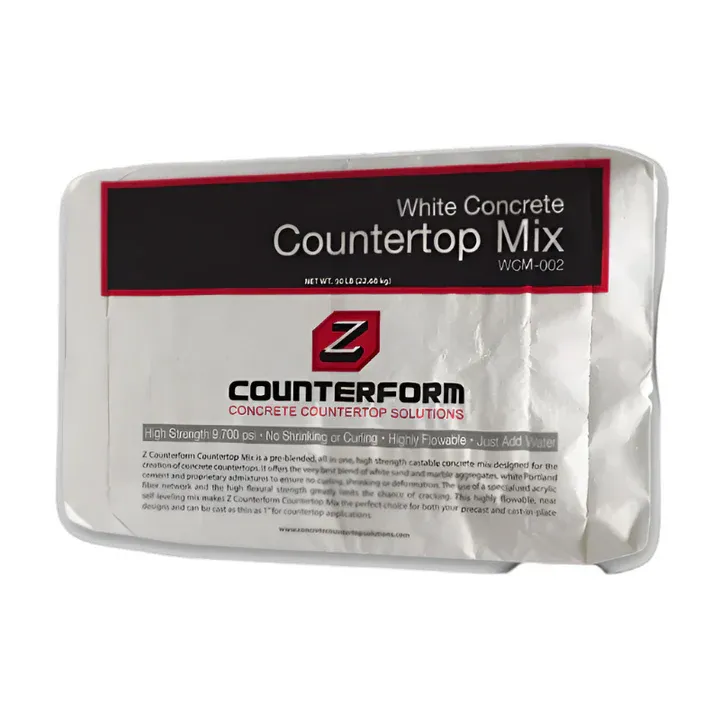
Concrete countertops offer opportunities to create distinctive surfaces for kitchens, workshops, and commercial interiors. However, achieving smooth edges and a consistent finish requires appropriate equipment rather than relying entirely on the concrete mixture. Contractors researching z grit disc los angeles supplies may be looking for abrasive tools suited to refining concrete and stone surfaces. Selecting the correct disc is only one part of the process. Surface condition, sanding sequence, dust management, and protective finishing all influence the completed countertop. Understanding these factors helps avoid unnecessary rework during decorative concrete projects.
Understand Why Surface Finishing Matters
Freshly formed concrete may contain minor imperfections, rough edges, and small differences in surface texture. These characteristics can become more noticeable when light reflects across the finished countertop or a protective sealer is applied.
Sanding helps refine suitable surfaces, but it cannot correct every casting defect. Significant voids, unstable sections, and damaged edges may require appropriate repair before final finishing. Contractors should assess the surface rather than remove excessive material unnecessarily.
Choose Abrasives for the Material
Concrete, marble, limestone, and other stone materials have different characteristics. An abrasive that performs well on one surface may wear rapidly or leave unwanted marks on another.
Z Grit discs use silicon carbide abrasive material and are designed for compatible concrete and stone sanding applications. The listed discs fit standard five-inch, eight-hole hook-and-loop orbital sanders. Tool compatibility and the selected grit should be confirmed before work begins.
Follow a Consistent Sanding Sequence
A controlled sanding process generally moves from more aggressive material removal toward finer refinement. Skipping appropriate intermediate steps may leave scratches visible beneath the final protective finish.
The correct abrasive sequence depends on the countertop material, existing texture, and desired appearance. Manufacturers’ instructions should guide disc selection. Contractors should avoid assuming a single grit or sanding pass will produce the same result on every project.
Manage Dust During Preparation
Grinding and sanding concrete can generate hazardous respirable crystalline silica dust. Appropriate dust extraction, ventilation, and respiratory protection are essential when the work creates exposure risks.
Dry sanding without adequate controls should not be treated as a convenient shortcut. Contractors should follow applicable occupational safety requirements and the equipment manufacturer’s instructions. Dust-management planning also helps protect surrounding cabinets, fixtures, and unfinished surfaces.
Prepare Tools Before Starting
Professional epoxy supplies los angeles distributors can provide access to sanding equipment, repair materials, sealers, and other products used during decorative concrete work. However, purchasing materials should follow an assessment of what the project actually requires.
Before beginning, review:
-
Orbital sander compatibility and abrasive dimensions.
-
Available grit options and recommended progression.
-
Appropriate dust extraction and protective equipment.
-
Surface repair materials and drying requirements.
-
Sealer compatibility with the prepared countertop.
Planning these items together can reduce interruptions after the sanding process begins.
Pay Attention to Edges and Openings
Countertop edges often require additional care because their shape makes consistent finishing more difficult. Sink openings, faucet cutouts, and corners may also create areas that are challenging to reach with standard sanding equipment.
Use tools suited to the profile and avoid removing more material than intended. Delicate edges may need a different technique from large flat sections. Careful handling helps preserve the countertop’s shape while reducing accidental damage.
Understand Protective Finish Requirements
Sanding prepares the appearance of a surface, but the final protective treatment determines additional characteristics such as stain resistance and cleaning requirements. Different countertop sealers have different application methods and performance limitations.
Before sealing, confirm that dust has been removed and the surface meets the product’s moisture and preparation requirements. A sealer cannot always conceal scratches left by inappropriate sanding. Test areas may help establish realistic expectations.
Inspect the Finish Before Handover
Completed countertops should be examined under the lighting conditions in which they will normally be used. Side lighting can reveal scratches, inconsistent refinement, or unfinished edges that overhead lighting may conceal.
Contractors should explain maintenance requirements to the property owner. Cleaning products, heat exposure, and periodic resealing may affect certain finishes. Clear instructions can help protect the work after installation is complete.
Conclusion
Concrete countertop finishing requires a coordinated approach to abrasive selection, surface preparation, dust control, and protective treatment. Appropriate sanding tools can help achieve a consistent appearance, but results depend on material condition and correct technique. Contractors should assess the project before purchasing discs, repair materials, or sealers. For professionals sourcing concrete finishing products in Los Angeles, whatittakesla.com provides information about sanding accessories and related supplies. Careful preparation can reduce unnecessary material removal and help create countertops that are attractive, practical, and easier to maintain.