


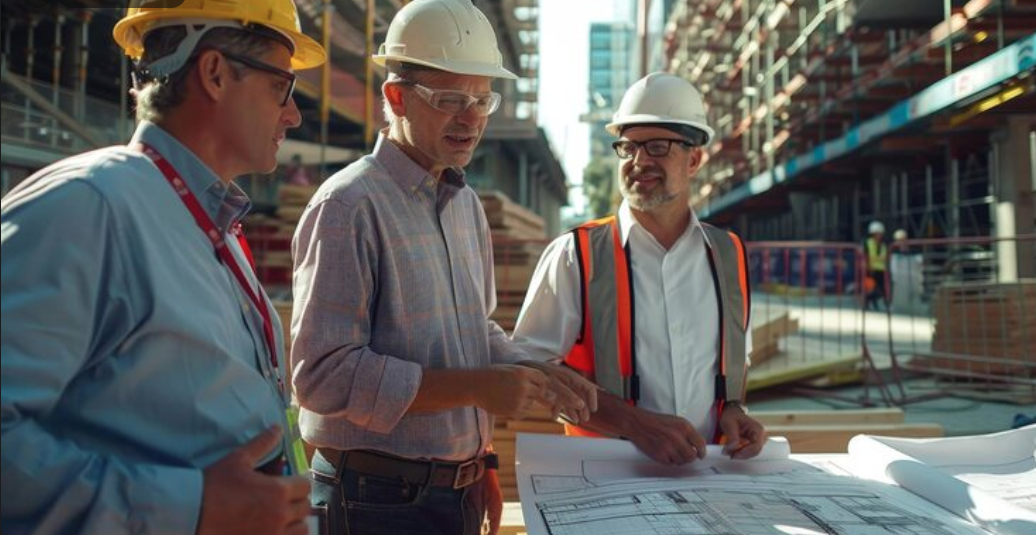
Successful construction projects rely on strong teamwork, and one of the most important partnerships on any job site is between builders and concrete contractors. From foundations and slabs to structural elements and finishing work, concrete plays a critical role in the durability and performance of a structure. When builders and concrete professionals collaborate effectively, projects run smoother, costs stay under control, and clients receive higher-quality results. Here’s how both parties can work together to achieve better outcomes.
Start Collaboration Early in the Planning Phase
The foundation of good collaboration begins long before concrete is poured. Involving concrete contractors during the design and pre-construction phase allows builders to benefit from their technical expertise. Contractors can provide insights on mix designs, site conditions, curing requirements, and potential challenges that might affect timelines or costs.
Early discussions help identify risks such as soil issues, drainage concerns, or access limitations. By addressing these factors upfront, teams can avoid expensive changes or delays later in the project.
Establish Clear Communication Channels
Miscommunication is one of the most common causes of construction delays and rework. Builders and concrete contractors should agree on clear communication methods, whether through regular site meetings, project management software, or daily progress updates.
Sharing detailed drawings, specifications, and schedules ensures everyone understands expectations. When questions arise, quick communication helps resolve issues before they escalate. A culture of openness encourages team members to raise concerns early rather than waiting until problems become costly.
Align Project Schedules and Expectations
Concrete work is highly time-sensitive. Weather conditions, curing times, and sequencing with other trades all affect the schedule. Builders should coordinate closely with concrete contractors to create realistic timelines that account for preparation, pouring, and curing.
Proper scheduling prevents conflicts, such as framing crews arriving before concrete has reached sufficient strength. When both teams understand the project sequence, they can plan resources efficiently and reduce downtime.
Define Roles and Responsibilities Clearly
Clearly defining who is responsible for each task helps prevent confusion on site. Builders typically oversee overall project coordination, while concrete contractors manage formwork, reinforcement placement, pouring, and finishing. However, responsibilities such as site preparation, inspections, and protection of completed work should be documented.
Written agreements or detailed scopes of work reduce misunderstandings and create accountability. Everyone knows what is expected, which improves workflow and minimizes disputes.
Focus on Quality Control Together
Quality is a shared responsibility. Builders and concrete contractors should collaborate on inspections, testing, and quality assurance processes. This includes checking reinforcement placement, verifying formwork alignment, and monitoring curing conditions.
Regular site walkthroughs allow both teams to identify potential issues early. For example, spotting improper compaction or surface defects quickly can prevent structural problems or costly repairs. Working together on quality standards ensures the finished product meets both structural requirements and client expectations.
Use Technology to Improve Coordination
Modern construction technology offers powerful tools to enhance collaboration. Project management platforms, shared digital plans, and mobile apps enable real-time updates and documentation. Builders can track progress, while concrete contractors can share photos, reports, and test results instantly.
Building Information Modeling (BIM) and digital scheduling tools help teams visualize project sequencing and detect clashes before construction begins. Technology reduces errors, improves transparency, and keeps everyone aligned.
Manage Changes and Challenges Proactively
Construction projects rarely go exactly as planned. Weather delays, design changes, or unexpected site conditions can impact concrete work. Builders and contractors should approach changes as a team, discussing solutions openly and adjusting plans collaboratively.
A proactive mindset helps maintain trust and keeps the project moving forward. When challenges are handled professionally, it strengthens the working relationship and improves problem-solving efficiency.
Build Long-Term Partnerships
Rather than treating each project as a one-time transaction, Custom home builders and concrete contractors benefit from developing long-term partnerships. Familiarity with each other’s processes, expectations, and communication styles leads to smoother collaboration over time.
Strong partnerships foster mutual respect and encourage continuous improvement. Teams learn from past projects, refine workflows, and deliver consistently high-quality results, which ultimately benefits clients and enhances reputation.
Prioritize Safety as a Shared Goal
Safety should always be a joint priority. Coordinating safety plans, conducting joint briefings, and ensuring compliance with regulations protect workers and reduce project risks. When both teams commit to maintaining a safe job site, productivity improves and incidents are minimized.
Conclusion
Effective collaboration between builders and concrete contractors is essential for delivering successful construction projects. By communicating clearly, planning together, aligning schedules, and focusing on quality and safety, teams can reduce delays, control costs, and achieve superior results. Strong partnerships not only improve project performance but also build trust and long-term success in the construction industry.